


Understanding Recognized Diving Qualifications: A Guide to Scuba Diving Certifications
- Karl

- Dec 29, 2025
- 4 min read
Scuba diving opens up a fascinating underwater world, but before you can explore it safely, obtaining the right qualifications is essential. Recognized diving qualifications ensure that divers have the necessary skills and knowledge to dive responsibly. This guide will walk you through the different types of certifications, what they mean, and how to choose the best path for your diving journey.
What Are Recognized Diving Qualifications?
Recognized diving qualifications are official certifications issued by accredited diving organisations. These qualifications confirm that a diver has completed specific training and demonstrated competence in various diving skills. They are important because they:
Ensure diver safety through standardised training.
Allow access to dive sites worldwide.
Enable rental of diving equipment and participation in guided dives.
Provide a foundation for advanced diving courses.
There are several internationally recognised agencies that offer these qualifications, each with their own standards and course structures. Some of the most popular include PADI (Professional Association of Diving Instructors), SDI (Scuba Diving International), NAUI (National Association of Underwater Instructors), and SSI (Scuba Schools International).
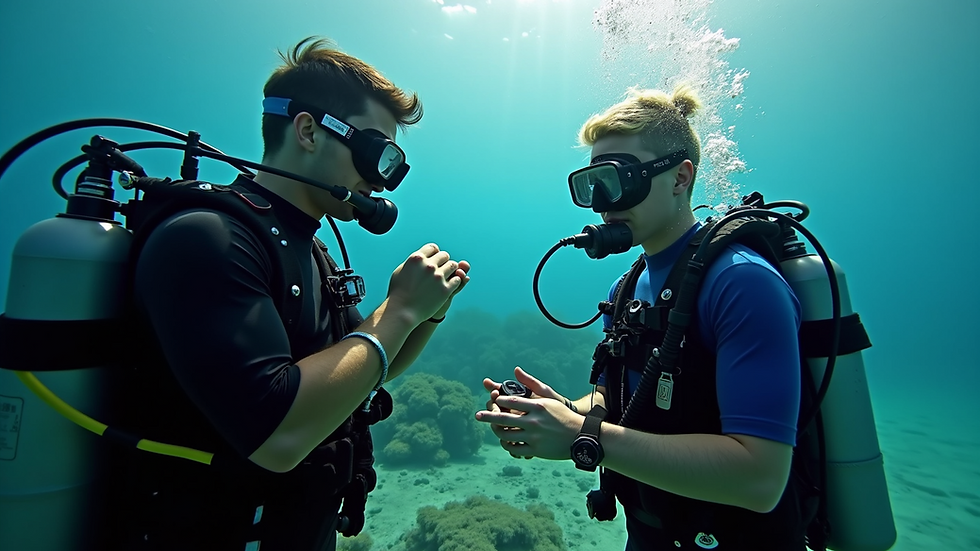
Different Levels of Diving Certifications
Diving certifications are typically structured in progressive levels, allowing divers to build skills and experience gradually. Here are the common levels you will encounter:
1. Open Water Diver
This is the entry-level certification and the most widely recognised. It allows you to dive independently with a buddy to a maximum depth of 18 metres (60 feet). The course includes:
Theory lessons on diving principles and safety.
Confined water training (usually in a pool).
Open water dives to practice skills in real conditions.
2. Advanced Open Water Diver
After gaining some experience, divers can take this course to improve their skills and increase their depth limit to 30 metres (100 feet). It includes:
Five adventure dives such as deep diving, navigation, night diving, and more.
Enhanced knowledge of dive planning and safety.
3. Rescue Diver
This certification focuses on emergency management and diver rescue techniques. It is ideal for those who want to be more confident in handling diving incidents.
4. Specialty Certifications
Divers can also pursue specialty courses in areas like underwater photography, wreck diving, nitrox diving, and more. These courses provide targeted skills for specific interests.
5. Divemaster and Instructor Levels
For those interested in professional diving careers, Divemaster and Instructor certifications are available. These require extensive training and experience.
What's better, PADI or SDI?
When choosing a diving certification, two of the most popular agencies are PADI and SDI. Both offer internationally recognised qualifications, but there are some differences to consider.
PADI
The largest and most widely recognised diving organisation worldwide.
Offers a comprehensive range of courses from beginner to professional levels.
Has a vast network of dive centres and instructors globally.
Courses are structured with a strong emphasis on safety and theory.
SDI
Focuses on modern diving techniques and technology.
Emphasises practical skills and real-world diving scenarios.
Often integrates technical diving elements earlier in the training.
Smaller network but growing steadily.
Which One to Choose?
If you want the most recognised certification with easy access to dive centres worldwide, PADI is a safe bet.
If you prefer a more technical approach and modern training methods, SDI might suit you better.
Both certifications are accepted globally, so your choice depends on personal preference and availability in your area.

How to Choose the Right Certification for You
Selecting the right diving qualification depends on your goals, experience, and interests. Here are some tips to help you decide:
Consider your diving goals: Are you looking to dive recreationally, explore specific environments, or pursue a professional career?
Check local availability: Some agencies have more presence in certain regions, making it easier to find courses and dive centres.
Look at course structure: Review the curriculum and see which style suits your learning preferences.
Think about future plans: If you want to advance to technical or professional levels, choose an agency with a clear progression path.
Read reviews and ask for recommendations: Feedback from other divers can provide valuable insights.
Why Getting Certified Matters
Obtaining recognised diving qualifications is not just about ticking a box. It is about ensuring your safety and the safety of others while enjoying the underwater world. Certified divers are trained to:
Manage risks and emergencies.
Use equipment correctly.
Respect marine environments.
Dive within their limits.
Moreover, dive operators and insurance companies often require proof of certification before allowing participation in dives or providing coverage.
For those interested in learning more about the different options and benefits, exploring scuba diving certifications can provide detailed information and help you make an informed decision.
Preparing for Your First Dive Course
Before starting your certification course, there are a few practical steps to take:
Health check: Ensure you are medically fit to dive. Some conditions may require a doctor's approval.
Gear familiarisation: While most courses provide rental equipment, getting familiar with basic gear like masks and snorkels can help.
Study materials: Many agencies provide manuals or online resources to prepare you for theory lessons.
Physical fitness: Diving requires a reasonable level of fitness, so maintaining good health is beneficial.
Mental readiness: Be prepared to learn new skills and follow safety protocols carefully.
Taking these steps will help you get the most out of your training and enjoy your underwater adventures safely.
Continuing Your Diving Education
Once you have your initial certification, the learning does not stop. Continuing education allows you to:
Explore new diving environments.
Improve your skills and confidence.
Specialise in areas like wreck diving, cave diving, or underwater photography.
Prepare for professional roles if desired.
Many divers find that ongoing training enhances their enjoyment and opens up new opportunities.
Embarking on your scuba diving journey with recognised diving qualifications ensures a safe and rewarding experience. Whether you choose PADI, SDI, or another agency, the key is to commit to learning and respecting the underwater world. Dive safe and enjoy the incredible adventures that await beneath the waves!


Comments