


Exploring Professional Opportunities in Diving

Diving is more than just a thrilling hobby or a vacation activity. For many, it opens the door to a variety of professional opportunities that combine passion with livelihood. The underwater world offers unique careers that range from adventure tourism to scientific research. This article explores the diverse diving careers available, how to pursue them, and what to expect in this exciting field.
Understanding the Scope of Diving Careers
Diving careers encompass a wide range of professions that involve underwater activities. These careers are not limited to recreational diving but extend to commercial, scientific, and conservation roles. Some of the most popular diving careers include:
Dive Instructor or Divemaster: Teaching others how to dive safely and enjoyably.
Commercial Diver: Working on underwater construction, inspection, and maintenance.
Marine Biologist: Conducting research on marine ecosystems and species.
Underwater Photographer or Videographer: Capturing the beauty of the underwater world.
Search and Rescue Diver: Assisting in emergency situations underwater.
Environmental Conservationist: Protecting coral reefs and marine habitats.
Each of these roles requires specific skills and certifications, but they all share a common love for the ocean and its mysteries.

Diving Careers: What You Need to Know
Entering a diving career requires more than just enthusiasm. It demands training, certification, and often, specialised knowledge. Here are some key points to consider:
Certification Levels: Most diving careers start with basic open water certification, progressing to advanced and professional levels such as Divemaster or Instructor.
Physical Fitness: Diving can be physically demanding. Good health and fitness are essential.
Specialised Training: Commercial and scientific divers often need additional training in areas like underwater welding, marine biology, or first aid.
Equipment Knowledge: Understanding and maintaining diving gear is crucial for safety and efficiency.
Work Environment: Be prepared for varied conditions - from tropical reefs to cold, murky waters.
Many diving professionals work in travel destinations, research institutions, or industrial settings. Flexibility and adaptability are valuable traits in this field.
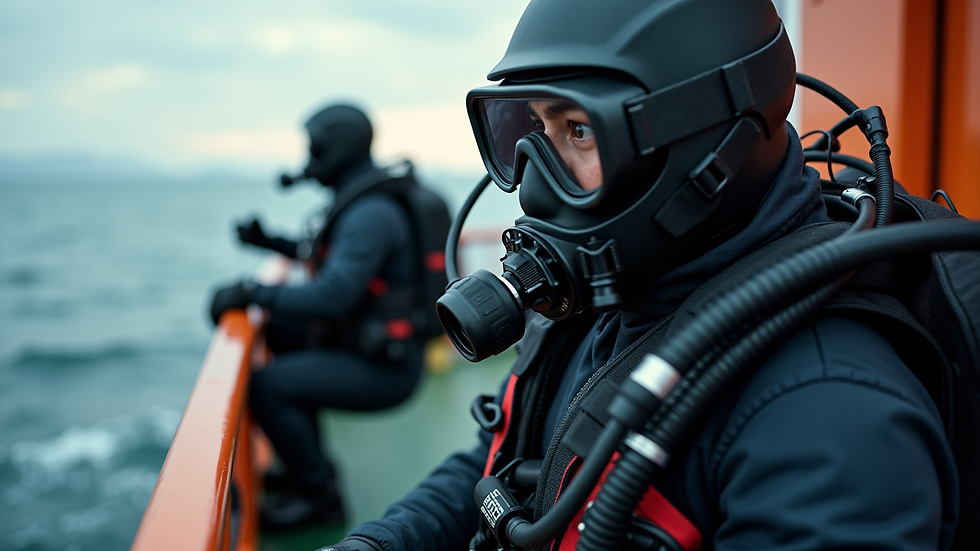
How do I turn scuba diving into a career?
Turning your passion for diving into a profession involves several steps. Here’s a practical guide to help you get started:
Get Certified: Begin with an entry-level certification from a recognised agency such as PADI or SSI.
Gain Experience: Log as many dives as possible in different environments to build confidence and skills.
Advance Your Training: Pursue advanced certifications like Rescue Diver, Divemaster, or Instructor.
Specialise: Choose a niche such as underwater photography, marine biology, or commercial diving.
Network: Connect with professionals and dive centres to find job opportunities.
Consider Formal Education: For scientific or commercial roles, degrees in marine science or engineering may be necessary.
Stay Updated: Keep up with the latest diving techniques, safety protocols, and environmental issues.
For those interested in becoming a dive professional, exploring scuba diving as a career can provide valuable insights and pathways.

Challenges and Rewards of Diving Careers
Like any profession, diving careers come with their own set of challenges and rewards.
Challenges:
Physical Risks: Diving involves risks such as decompression sickness, equipment failure, and marine hazards.
Unpredictable Conditions: Weather and water conditions can affect work schedules.
Job Stability: Seasonal work and location dependence can impact income stability.
Continuous Learning: The need to update certifications and skills regularly.
Rewards:
Unique Work Environment: Working underwater offers unparalleled experiences.
Travel Opportunities: Many diving jobs allow you to explore exotic locations.
Contribution to Science and Conservation: Helping protect marine life and ecosystems.
Community and Lifestyle: Being part of a passionate and adventurous community.
Balancing these factors is key to a successful and fulfilling diving career.
Future Trends in Diving Careers
The diving industry is evolving with technology and environmental awareness. Here are some trends shaping the future:
Eco-Tourism Growth: Increasing demand for sustainable diving experiences.
Technological Advances: Use of drones, underwater robots, and advanced diving gear.
Marine Conservation Focus: More roles dedicated to protecting oceans.
Virtual Reality Training: Innovative methods for diver education.
Remote Work Opportunities: Scientific data analysis and underwater photography can sometimes be done remotely.
Staying informed about these trends can help aspiring divers align their careers with future opportunities.
Exploring diving careers offers a chance to turn a passion for the ocean into a rewarding profession. Whether teaching others, conducting research, or working in commercial diving, the underwater world holds many possibilities. With the right training, dedication, and mindset, you can dive into a career that is as exciting as it is fulfilling.


Comments